
Hartwell Manufacturing
Overview Hartwell Manufacturing, a leading steel fabricator based in Wakefield, required a secure and durable solution to protect two key...
 In 2023, around 26% of business premises in England and Wales were victims of crime, with 8% involving burglaries or attempted break-ins. That means nearly 1 in 12 businesses suffered a physical intrusion that year¹.
Securing a factory requires a thoughtful, proactive approach that addresses a range of potential vulnerabilities, many of which are easy to overlook. Whether you’re managing a large manufacturing plant or a smaller facility, even minor gaps in your security strategy can lead to costly breaches, safety risks, or operational disruptions.
Below, we highlight 10 often-overlooked areas of factory security that could be putting your operations at risk.
Your team is essential to daily operations, but unrestricted or outdated access can compromise site security. ID badges should be kept current and reviewed regularly, and there must be clear procedures for revoking access as soon as an employee leaves the company.
A well-maintained and audited access policy is key to preventing unauthorised entry.
Improperly managed visitors can pose significant security risks. To mitigate these risks, always require guests to sign in upon arrival, wear visible identification, and remain in designated areas. Having someone escort visitors and keeping them in approved areas helps protect the site and reduces liability.
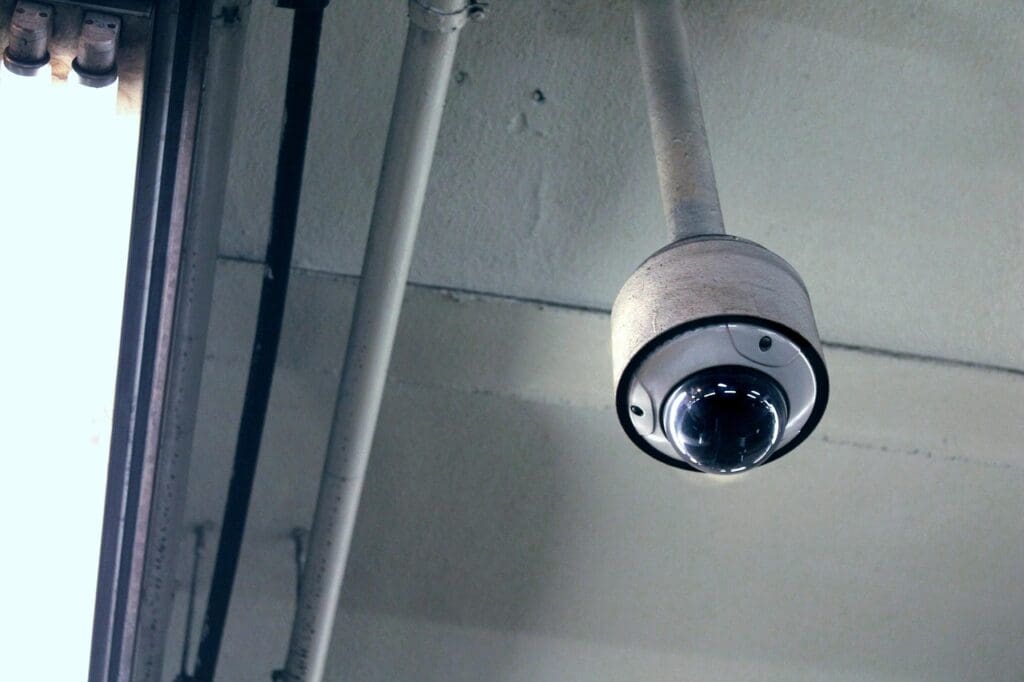
CCTV cameras are vital, so it is important to make sure they are fully functional and actively monitored. You should regularly inspect for blind spots, ensure all equipment is in good working order, and test alarm systems monthly. Having a clear, documented response plan for any alerts is equally important to act swiftly and appropriately.
Poor lighting invites problems, making adequate lighting a simple yet often overlooked deterrent against intruders. A well-lit exterior, especially around entry points, loading bays, exits, and blind spots, not only deters unwanted activity but also ensures CCTV footage remains clear and useful.
Make it a priority to keep all lights functioning properly by quickly replacing any broken or dim bulbs to maintain consistent visibility throughout the night.
An alarm system is only as effective as the response it triggers. To ensure maximum security, test your systems regularly to confirm they are working effectively. It is also equally as important to train your employees thoroughly on the actions to take when an alarm sounds.
Whether dealing with a fire alert or an intrusion, having clear procedures and a well-coordinated response can make all the difference in minimising damage and ensuring safety.
Factory systems are becoming increasingly interconnected, which unfortunately makes them more vulnerable to a wide range of digital threats. To safeguard your operations, it’s essential to protect your networks with robust firewalls, up-to-date antivirus software, and secure remote access protocols.
Regularly scheduled IT audits play a crucial role in identifying potential vulnerabilities early, allowing you to address weaknesses before they can be exploited by cybercriminals.
Securing high-value tools, parts, and machinery is essential. Using lockable storage and asset tagging helps prevent unauthorised access and makes tracking easier. Regular audits help uncover discrepancies early, allowing you to investigate and take action quickly.
By combining effective inventory management with strong security measures, you can protect your assets and keep your operations running smoothly.
The shipping and loading bay is often a security blind spot, making it a common target for theft or tampering. To reduce risk, closely monitor all deliveries and shipments using CCTV and limit access during active loading or unloading.
Always verify and inspect goods upon arrival and before dispatch to ensure nothing is missing or compromised. Keeping a constant watch on loading bay doors is essential for maintaining control and preventing unauthorised access.
Emergency exits are essential for safety and legally required, but they can also pose security risks if not properly managed. To reduce this risk, ensure all emergency exits are fitted with alarms and covered by CCTV. Train staff to keep exits clear for safe use, but never leave them propped open or unsupervised.
By taking the right precautions, you can ensure emergency exits support both safety and security.
A well-trained and alert workforce is your first line of defence. Your security is only as strong as your team’s awareness, so it’s essential to provide regular training, drills, and briefings. These help employees recognise threats, respond appropriately, and stay up to date with current protocols.
Encourage a culture of vigilance where suspicious behaviour is reported and security procedures are consistently followed.
Factory security is more than just one system and involves creating multiple layers of protection. By focusing on often-overlooked areas, you reduce weaknesses and make your factory safer. Missing even one part can create chances for criminals to take advantage.
Regularly checking and updating your security helps you stay ahead of new risks and ensures your factory remains secure and operates smoothly.
Download our “Factory Security Checklist: 10 Things You’re Probably Overlooking”, a handy resource designed to help you identify and address common security gaps in your facility. This checklist is perfect for keeping on hand during routine internal reviews or sharing with your team to ensure everyone stays informed and proactive about factory security.
What have we been up to
Overview Hartwell Manufacturing, a leading steel fabricator based in Wakefield, required a secure and durable solution to protect two key...
Project Overview CVS Carpet & Vinyl Flooring, a trusted local supplier and installer of quality floor coverings in Birstall, approached...
Excel manufactured, delivered and installed roller shutters at Baig Properties in Dewsbury, and also provided shutter repair for some of...